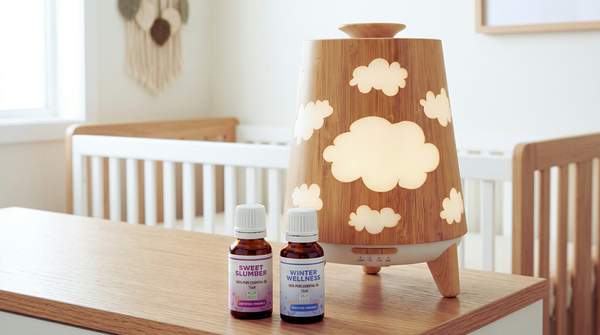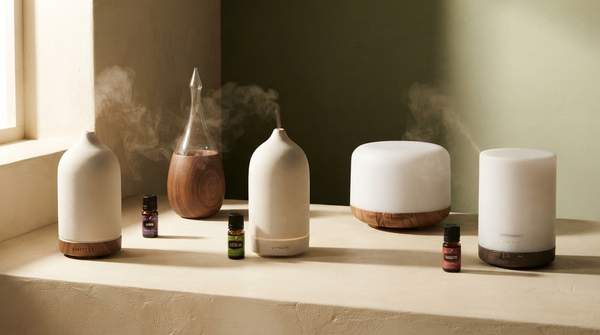
No home fragrance is completely non-toxic, according to a doctor-authored guide from Interior Medicine: anything that puts scent into the air also puts chemicals, ultra-fine particles, and other forms of pollution into it. That single principle shapes every choice in natural home fragrance. The healthiest options use pure essential oils or plant hydrosols dispersed by simple evaporation; the strongest options use fans, mist, or combustion to push scent farther. The right method for your home depends on which side of that trade-off you prioritize—and on how carefully you read the ingredient label.
Understanding Natural Home Fragrance: Purity and Dispersal
Every natural fragrance method can be evaluated along three axes: what is in the bottle, how it reaches the air, and what that dispersal mechanism adds to the air you breathe. Interior Medicine's fragrance ranking treats dispersal method as its own health dimension, running from healthiest to harmful, with simple evaporation at room temperature—no heat, mist, or flame—at the top tier.
The second axis is ingredient type. Essential oils are natural plant extracts, while fragrance oils are synthetic blends designed to mimic scents, according to aromatics guidance from EnoAromatics. Fragrance oils deliver consistent, long-lasting aromas at lower cost, but synthetic compounds are precisely what most non-toxic shoppers are trying to avoid, and the word "fragrance" on a label can mask their presence. Interior Medicine recommends choosing products that list every fragrance ingredient and are made without phthalates.
The third axis is intensity. ColumbiaDoctors, citing physician guidance on holiday scents, notes that many scented candles pose health concerns through volatile organic compounds, and that children and anyone with asthma or COPD are the most sensitive groups. This article is not medical advice; individuals with respiratory conditions should consult a doctor before adopting any scented product.