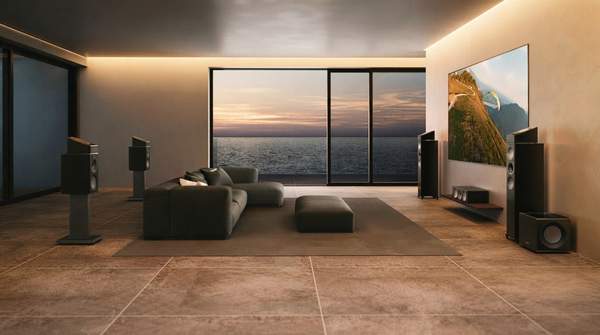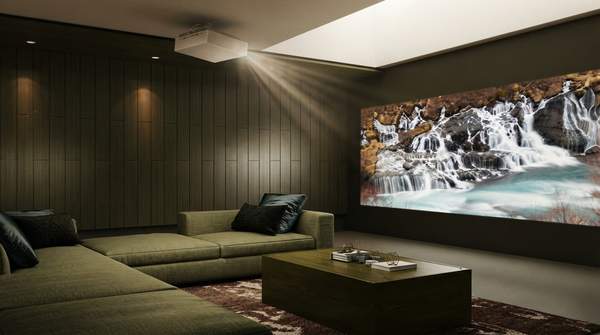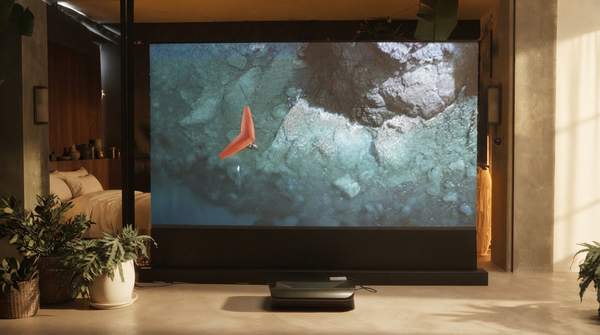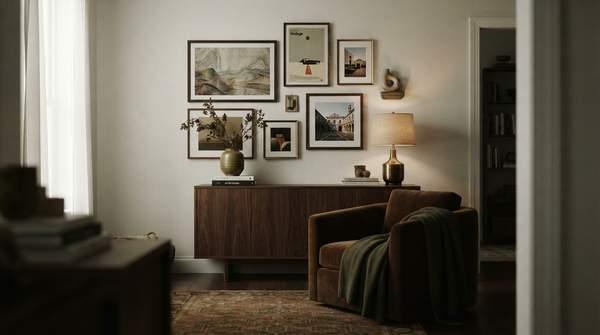
People bring interiors from film and television into their homes for reasons that run deeper than taste. A 2025 peer-reviewed study by Tausif Mulla and colleagues, published in Frontiers in Computer Science, found that viewers are drawn to integrate on-screen aesthetics into their daily lives because it expresses who they are, connects them emotionally to fictional worlds, and turns their living spaces into personal statements. In other words, the pull is psychological, not merely decorative.
Beyond the Screen: Why Fictional Worlds Shape Our Real Homes
Fictional spaces do a peculiar thing to us. A carefully designed set—a warm, cluttered kitchen, a stark minimalist apartment, an ornate period drawing room—feels inhabited, meaningful, and desirable. Mulla's research team describes a clear pattern: viewers feel inspired to add elements that match the emotions or themes of the media they watch, and those influences become a real, tangible part of daily life.
The study's central insight is that understanding how people feel connected to fictional worlds can explain their real-life design choices. The screen is not simply a catalog of styles to copy. It is a source of emotional resonance, and that resonance travels—straight from the couch to the bookshelf, the sofa, the wall color. When someone says a room "feels like" a favorite show, they are describing a genuine psychological transfer, not a coincidence.