In a 13-square-meter micro apartment with a trapezoid footprint, custom furniture transformed an awkward space into a highly functional home. This bespoke intervention, highlighted by Nevertoosmall, turned inherent limitations into a livable sanctuary.
While small spaces are often perceived as restrictive, they offer unique opportunities for creative, highly personalized design. Their constraints, in fact, inspire ingenious approaches to living.
As urban living drives demand for smaller footprints, the value of bespoke design and strategic spatial planning will only increase. Compact homes become more desirable and efficient when architectural interventions, not off-the-shelf solutions, transform restrictive layouts into functional, stylish homes.
Beyond the Cramped Stereotype: The Potential of Small Spaces
Cristiana Felgueiras transformed her 31-square-meter rental in Porto by designing tailored furniture and cupboards, maximizing every inch, according to Nevertoosmall. In London, Studiomama reimagined Mia’s Apartment, a lower-level unit, by removing all interior walls to create a direct line of sight between windows. These projects reveal a crucial truth: thoughtful design and custom solutions can turn even the most challenging layouts into efficient, beautiful homes. A small footprint is not a compromise; it is an invitation for innovative design, fundamentally shifting our perception of compact living.
Laying the Foundation: Essential Planning for Compact Design
Maximizing small spaces begins with a meticulous design plan, advises New England Condo. This extends to seemingly minor details, like ensuring doors swing against a wall, never obstructing other elements, a crucial point for daily function, notes Tami Faulkner Design. Gonzalo Pardo of gon architects, for instance, transformed sloped ceilings in Madrid's 42-square-meter Casa Flix by integrating deep cabinets into the lowest corners of the roof, according to Nevertoosmall. These examples show that comprehensive planning, from basic traffic flow to bespoke solutions for architectural quirks, turns perceived limitations into integrated, functional features.
Avoiding Common Mistakes: Lighting and Flow in Small Homes
Neglecting proper lighting is a common oversight that can make a small space feel even more confined. New England Condo advises a layered approach, incorporating multiple types like table lamps, overhead lights, and floor lamps. This strategy creates depth, dispels shadows, and dramatically improves both functionality and ambiance. Strategic lighting does more than illuminate; it defines zones within a compact area, enhancing its perceived openness and transforming its feel.
Clever Tricks: Maximizing Style and Space with Visual Design
Bold design choices can, surprisingly, elevate small spaces. A snug room painted Benjamin Moore Newburg Green, a deep teal, added character without overwhelming the area Arlington Magazine. Similarly, a dramatic 63-inch high headboard in a bedroom defied the idea that small rooms demand minimal furniture, instead adding grandeur and focus. Strategic color and vertical elements create depth and a sense of openness. These choices transform a compact area into a distinct sanctuary, proving visual impact transcends square footage.
Beyond the Walls: Can Small Spaces Truly Expand?
How to make a small living room look stylish and functional?
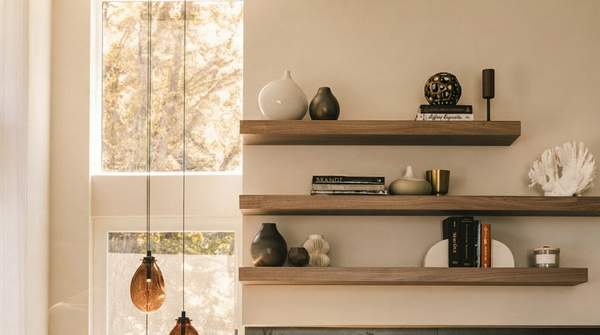
Making a small living room stylish and functional demands custom solutions and smart planning. Built-in shelving that integrates with the architecture, or multi-functional furniture like an ottoman doubling as storage and a coffee table, are essential. Establishing clear sightlines to windows also makes the room feel larger and more connected to the outside, extending its perceived boundaries.
What are the best space-saving ideas for small apartments?
The best space-saving ideas often involve custom architectural interventions. At El Camarin, a 25-square-meter apartment in Buenos Aires, a unique scalloped balcony screen expanded the footprint, adding usable outdoor space and visual depth, according to Nevertoosmall. Vertical storage and furniture designed for specific nooks are also highly effective, proving that true expansion means leveraging every dimension, even beyond interior walls.
Tips for maximizing style and functionality in tiny homes?
Maximizing style and functionality in tiny homes requires a professional design plan to address unique challenges. This includes custom cabinetry that hides appliances or integrated seating that transforms for different uses. Prioritizing natural light and reflective surfaces enhances both aesthetics and perceived spaciousness, turning complex challenges into seamless, adaptable living.
The Future of Compact Living: Smart Design as a Necessity
Homeowners and developers must view custom furniture and architectural modifications not as a luxury, but as an essential investment. The successful transformations of challenging spaces, like the 13-square-meter trapezoid apartment, prove this, according to Nevertoosmall. Optimizing compact footprints, from precise door swings to direct sightlines, demands professional design expertise. Far from limiting, the constraints of small spaces foster unparalleled innovation, pushing architects to devise ingenious, highly personalized solutions. By 2026, as urban populations grow, the demand for such tailored, intelligent design in compact residences will likely see a significant increase, driving further architectural innovation.