The secret to mixing inherited treasures with modern decor is not restraint for its own sake — it is curation. Designers who work with heirlooms consistently describe a three-step process: evaluate each item for personal meaning and aesthetic fit, choose a strategy suited to what it is, and arrange what remains with deliberate design principles. Handled this way, a grandmother's china or a Louis XV chair becomes a source of depth and character rather than visual noise. The framework below turns that advice into a process you can apply to your own shelves this weekend.
Curate Your Collection: Evaluate and Decide
Begin with a shift in how you measure worth. Writing for Intentional Design Co., designer Krista Weisman argues that an heirloom's value "should be gauged by the connections they brought and bring — not by monetary value," and that these pieces invite us to become "thoughtful curators of our living spaces," selecting only items that align with our values, aesthetics, and personal narratives. That is the first filter: does the piece carry a story you want to live with, and does it fit the room you actually have?
Ask two questions of every object. First, what does it mean to you — whose hands held it, what memory does it hold? Second, does it align with your current aesthetic, or could it with modest intervention? An item strong on both counts earns a place on display. An item with deep meaning but poor fit is a candidate for modification or repurposing. An item with neither sentimental pull nor visual appeal can be stored, rotated out, or let go entirely — the decision that prevents clutter before it starts.
This is also permission to be selective about volume. Accumulation is natural, as the designer Adam puts it in House & Garden — within reason, he jokes, short of becoming a "hoarder who went to a car boot and couldn't stop." His practical safeguard for anyone prone to accrual: a strict one in, one out policy.
Heirloom Integration Decision Framework
The matrix below categorizes heirlooms by type, evaluates them against the two criteria above, and assigns a specific action. Work through your own items row by row; each row ends in a concrete decision rather than a vague intention to "keep it somewhere."
| Item Type | Evaluation: Personal Value vs. Aesthetic Fit | Action | Example |
|---|---|---|---|
| Any heirloom or collected object | Consider the story and sentimental value of each piece, and whether it aligns with your current aesthetic. If it lacks both, consider repurposing, storing, or letting it go to avoid clutter. | Decide: display, modify, repurpose, or store | A box of mixed inherited objects sorted before anything reaches a shelf |
| Furniture (chairs, tables, dressers) | Meaningful piece whose finish or fabric clashes with contemporary decor | Modify | Interior designer and colorist Beverly Field reupholstered a Louis XV chair in bright cerise, giving it a modern, striking twist. Small changes can significantly impact how heirlooms blend with contemporary styles. |
| Art, photos, memorabilia | Individually modest pieces that gain power as a set | Group into a gallery wall | Mix old photographs with newer ones to tell a visual story, using modern frames and a consistent color scheme for cohesion |
| Textiles (quilts, embroidered linens) | Cherished fabric too fragile or formal for its original use | Repurpose | Transform old family textiles into throw pillows or wall hangings — a new function that preserves their history |
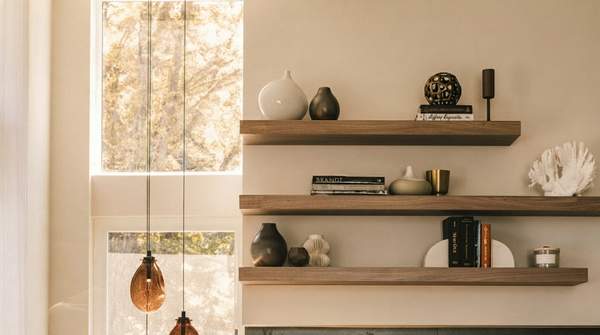
| Small decorative objects | Individually scattered, they read as clutter | Group into vignettes | Cluster bibelots and oddments together; grouping adds impact and creates the negative space that prevents clutter |
| Single statement piece | A large antique with real presence | Feature with support | Accompany a large antique with smaller complementary pieces throughout the room — a lone antique can appear out of place without supporting elements |
Modern Display Strategies for Heirlooms
Once you have curated, choose an arrangement strategy. Five approaches recur across designers' advice, each suited to a different kind of object.
- Group by color or material. Adam's advice in House & Garden is to experiment with grouping collections together by shared color or material, and to "be brazen and move things around — choose things because of what they mean to you and how they look together."
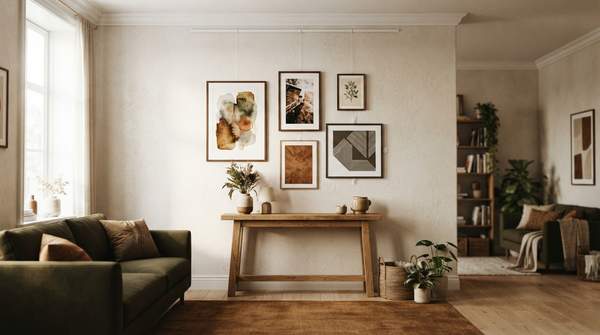
- Create a gallery wall. Interior designer Linda Merrill recommends displaying a curated collection of family photos, artwork, and memorabilia together, mixing old photographs with newer ones to tell a visual story of your family's history, unified by modern frames and a consistent color scheme.
- Juxtapose opposites. Play with contrasts of scale and texture — a delicate porcelain figure against a rough linen runner, a small object beside a substantial one — so the pairing reads as intentional rather than accidental.
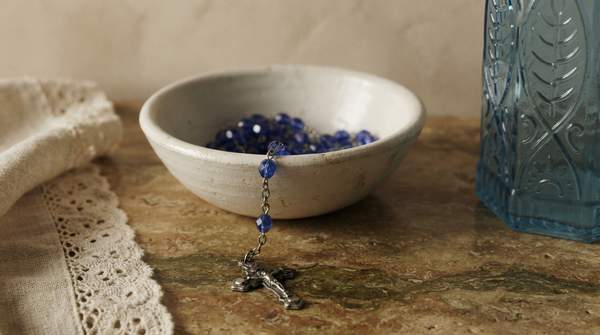
- Integrate into utilitarian displays. Weisman suggests using heirloom china and dishware as catch-all bowls or plates next to the bed, or placing a soap pump on a small bread plate by the sink for visual interest.
- Feature a single statement piece. Give one substantial antique pride of place, then echo it with smaller complementary pieces elsewhere in the room so its presence feels deliberate.
Updating Heirlooms for a Contemporary Look
Not every inherited piece can be displayed as-is, and designers are unusually united in granting permission to intervene. Beverly Field's cerise-upholstered Louis XV chair is the emblematic case: a period silhouette in an ultra-modern color makes an impression precisely because the old form and new surface argue with each other pleasantly. Reupholstering, refinishing, or painting furniture are all established routes, and small changes can significantly impact how heirlooms blend with contemporary styles.
Frames and textiles offer the gentlest entry points. Merrill advises replacing dated frames with modern ones and maintaining a consistent color scheme so diverse pieces read as one display; she also suggests transforming old family textiles such as quilts or embroidered linens into throw pillows or wall hangings, and using vintage dishes or silverware for special occasions within a contemporary table setting. Weisman extends the logic to dishware: using items differently from their original purpose is sometimes the key to integration, turning a twelve-piece inherited china service from cabinet-bound dust collector into everyday bedside catch-alls. Repurposing lets these items serve a new function while preserving their history — the history stays in the object even as its job changes.
Creating Cohesion: Design Principles for Arrangement
The final step is arrangement, and here the guiding principle is that cohesion comes from relationships between objects, not from matching them. Grouping by color or material gives a miscellaneous collection a shared language. Contrasts of scale and texture keep a room from feeling flat. Negative space — deliberately left empty surface — is what keeps a curated collection from sliding back into clutter, which is why designers group small things together rather than scattering them individually: the cluster gains impact, and the surrounding emptiness provides the visual break.
Expect this to be iterative. Adam's counsel is to experiment and rearrange freely, choosing things for what they mean and how they look together, rather than decorating within rigid rules — which he dismisses as "an undemocratic way to go about your life." A gallery wall can be re-hung; a vignette can be re-grouped. Trial and error is not a failure of the framework but its final stage.
Transforming Your Space: A Cohesive, Clutter-Free Home
Readers should apply the three-step framework — curate by personal value and aesthetic fit, choose a display or modification strategy by item type, and arrange using grouping, contrast, and negative space — to achieve a cohesive and uncluttered modern interior. The measure of success is a noticeable reduction in visual clutter and an intentional, harmonious blend of old and new elements in your home decor. Walk your rooms after the first pass: every displayed heirloom should be able to answer both why it is out and why it is there, and the surfaces around it should be allowed to breathe.
Sources
- How to Style Family Heirlooms in Your Home — Intentional Design Co.
- How to make your interiors look cohesive when you own a hodgepodge of things — House & Garden
- Reclaiming Family Heirlooms: History vs Modernity in 2023 — Linda Merrill Interior Designer Decorator South Shore Massachusetts