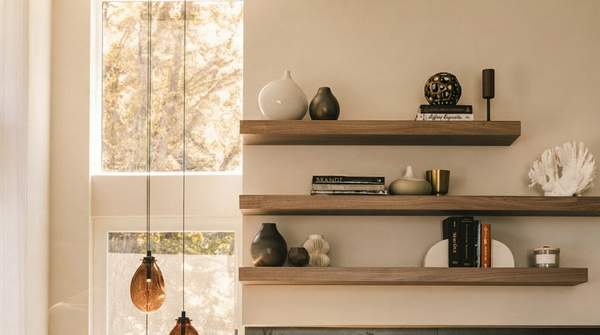
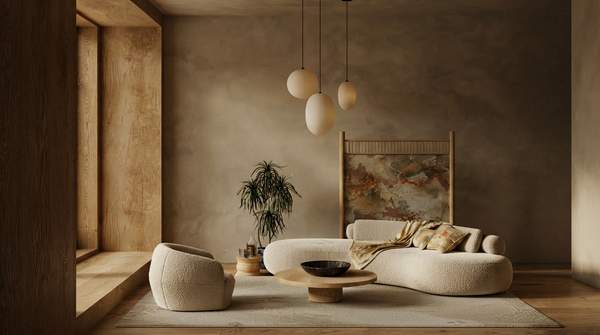
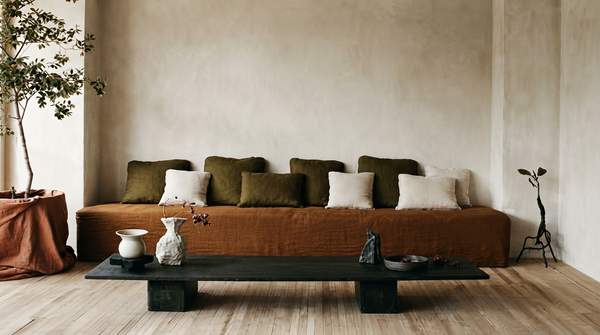
By 2026, the defining mood for homes won't be pristine perfection, but rather the comforting embrace of spaces that feel genuinely lived-in and well-loved. A profound human desire for surroundings that tell a story, bearing the subtle marks of daily life, individual character, and the passage of time, reflects this shift. A move away from transient trends towards enduring personal resonance, recognizing the inherent beauty in imperfection, signals this shift.
While social media often promotes hyper-curated, algorithm-friendly interiors, a significant cultural shift is embracing the beauty of lived-in, imperfect homes. A growing disconnect between digital aspiration and tangible reality, as consumers increasingly seek authenticity over manufactured flawlessness and the fleeting appeal of perfectly staged scenes, highlights this tension.
We are likely to see a sustained cultural pivot towards more personal, sustainable, and less consumerist approaches to home decor, valuing character and history over manufactured flawlessness. This reorientation prioritizes the intrinsic value of objects and spaces that genuinely reflect their inhabitants' lives, fostering a deeper, more meaningful connection to one's environment.
The projection from Vogue indicates that homes feeling lived-in and well-loved will be the defining aesthetic of 2026. This is not a mere stylistic preference but a significant cultural recalibration, moving away from aspirational perfection towards a more relatable reality. Consumers are actively rejecting the pressure to maintain flawlessly curated spaces, instead seeking environments that offer comfort and genuine self-expression. The embrace of 'lived-in' aesthetics is a direct counter-movement against the superficiality of social media-driven design trends, signaling a desire for deeper personal connection to one's home. The market now rewards brands that celebrate genuine imperfections and a 'time-worn aesthetic' that reflects real life, signaling the interior design industry's shift away from an obsession with pristine, aspirational spaces towards more authentic expressions.
The Rise of the Imperfect Aesthetic
A more lived-in, time-worn aesthetic is resonating deeply within interior design circles, according to Vogue. A collective desire for comfort, history, and character over newness and fleeting style indicates this resonance. The shift suggests that homeowners are prioritizing the authentic narratives embedded in an object's wear and tear, rather than the sterile sheen of mass-produced items. This movement elevates the inherent beauty found in slight irregularities and the patina of age, moving beyond the transient dictates of seasonal trends. The focus is now on creating spaces that evolve with their inhabitants, reflecting a personal journey rather than a static, aspirational ideal. This appreciation for the imperfect extends to materials, favoring natural textures that age gracefully and develop character over time, establishing a deeper connection between the home and its occupants through a tangible sense of history.