Contemporary nostalgia is a design philosophy that takes inspiration from the past and translates it into a modern setting, and its appeal is easy to understand: it promises a home that feels personal and comforting rather than styled and anonymous. Design writer Heather Wright, covering the trend for Livabl, describes nostalgic design as blending "meaningful treasures from the past with modern functionality," adding analogue charm to a digital age. The challenge for most homeowners is not enthusiasm but execution—how to honor memory without ending up with a space that feels cluttered or dated. That is where a deliberate framework matters.
Embracing 'New Nostalgia' in Your Home
The trend has moved well beyond a niche affection for vintage. Melissa Houghton, writing for the design and manufacturing firm Oat Foundry, notes that in 2026 many designers, architects and brands are "riding the wave" of nostalgia design, with retailers from Ikea to West Elm drawing on vintage product designs, retro-inspired appliances and mid-century palettes. But the version worth adopting at home is quieter and more personal than a retail revival. It is less about buying a look and more about choosing objects and references that carry genuine meaning, then housing them within a contemporary foundation.
What is 'New Nostalgia'? Defining a Design Philosophy
At its core, New Nostalgia applies vintage aesthetics—1970s layouts, 1990s color palettes, 1950s patterns—to modern interiors, according to Houghton's account of the trend. Designer Michelle Halford, writing for Jacobsen in New Zealand, frames it as "taking design inspiration from the past and translating it into a contemporary setting," whether you are drawn to one era such as 1930s Art Deco or prefer to mix periods. Crucially, this is not recreation. Good Housekeeping's reporting on the trend is explicit that nostalgia decor is "not about simply recreating the past" but about designing a home that reflects who you are today, shaped by the styles and moments that influenced you. That distinction separates the approach from costume-like retro styling.
The Psychology of Comfort: Why We Crave Connection to the Past
Design experts attribute the trend's popularity to emotional rather than aesthetic drivers. Houghton characterizes nostalgia design as tactile and hands-on, "leveraging emotional connection and memory to appeal to our desire for simplicity, joy, and comfort," and positions it as a welcome alternative to all things digital and AI. Interior designer Ellie Christopher, quoted in Good Housekeeping, puts it more intimately: "It's about feeling. It's the art of surrounding yourself with pieces that spark memory. It taps into the places, people and rituals that shaped you." This is a reported interpretation by designers rather than a clinical finding, but it aligns with a broader shift toward purposeful, lasting choices that support well-being and reflect personal values, as Christopher Pape describes in Chronogram Magazine.
Your 'New Nostalgia' Design Framework
The framework below turns the philosophy into a repeatable process. Work through the four dimensions in order: each one converts a feeling into a concrete design decision, and each builds on the last.
| Step | The question you're answering | What the evidence supports | What success looks like |
|---|---|---|---|
| 1. Identify your nostalgic anchors | Which places, people, eras or objects genuinely spark memory for me? | Choose personal objects that tell a story—pieces from travels or with emotional connection, per Halford's guidance. | A shortlist of meaningful items and references, not a shopping list. |
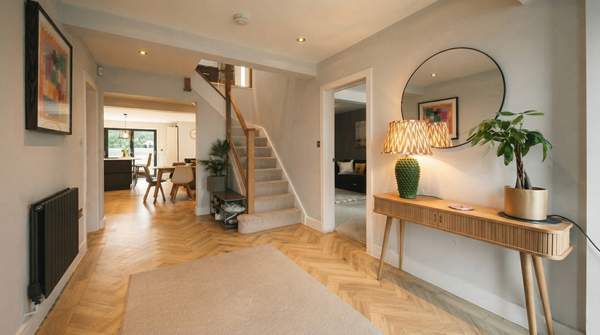
| 2. Choose a modern foundation | What contemporary base will keep the room current? | Pair the past with modern functionality and tech, as Wright describes; Halford's example restores Victorian mouldings while installing contemporary wooden flooring. | A room that reads as modern first, nostalgic second. |
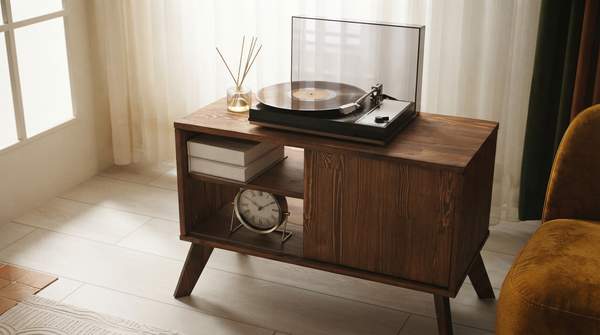
| 3. Integrate through balance and contrast | How do old and new coexist without competing? | Designer Ekle recommends mixing vintage pieces with contemporary elements, using nostalgic textures as accents and adding modern lighting or accessories for "balance and freshness." | Each vintage piece reads as an intentional focal point, not clutter. |
| 4. Layer with texture, color and story | What consolidates the vision? | Halford's modernized 70s scheme mixes mid-wood tones with beige, charcoal and dark red accents plus a touch of terrazzo; House Beautiful points to heirloom quilts, well-crafted furniture and traditional prints. | A cohesive, soulful room where layers feel curated rather than accumulated. |
The framework's logic is cumulative: anchors without a modern foundation produce a museum; a foundation without integration produces a sterile showroom. Halford's advice to "fuse times, places, cultures and styles" only works when the balancing step disciplines how much of the past enters the room.
Step 1: Identify Your Nostalgic Anchors
Begin with memory, not merchandise. Halford suggests layering in pieces from your travels and objects with which you have an emotional connection—items that, in her words, "will turn your house into a home with soul." An anchor might be a single heirloom quilt, a color remembered from a childhood kitchen, or the wood tone of a grandparent's furniture. Write them down. The goal at this stage is specificity: vague affection for "the seventies" produces generic styling, while a particular memory produces a particular room.
Step 2: Balance Old with New for a Cohesive Look
Once anchors are chosen, resist the urge to let them multiply. The design sources converge on selective referencing—choosing specific elements that resonate and letting them act as focal points rather than filling every surface. Ekle's practical formula pairs vintage pieces with contemporary elements, treats nostalgic textures as accents, and uses modern lighting or accessories to keep the room feeling current. Halford's renovation example shows the same principle structurally: ornate period ceiling mouldings preserved alongside contemporary flooring and tiling. The old is honored; the new holds the frame.
Step 3: Curate and Layer with Intention
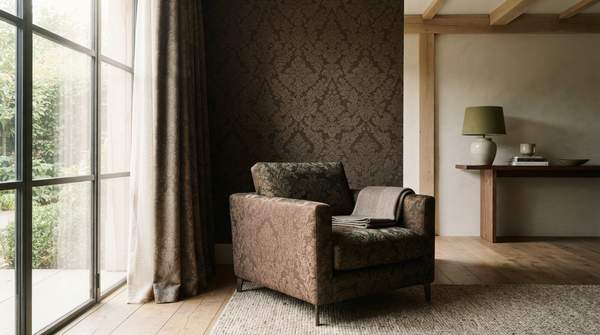
Finally, consolidate through color, material and story. Halford notes that the colors and materials you choose help consolidate the overall vision—her modernized 70s look relies on mid-wood tones grounded by beige, charcoal and dark red, with terrazzo as a single distinctive touch. House Beautiful's Jessica Taverner highlights heritage furniture, traditional prints, checks, stripes and scallops as ways to "find a timeless balance." Every layer should earn its place. As Pape observes of thoughtful design generally, every element should serve a meaningful function while contributing to the overall experience of the space.
Creating Your Personal Sanctuary: A Lasting Connection
Homeowners can confidently apply the 'New Nostalgia' design philosophy by focusing on intentional curation and balancing personal, memory-sparking items with modern design elements. The measure of success is a home that feels uniquely personal, comfortable, and cohesive, where vintage pieces enhance rather than dominate the contemporary aesthetic. If a room starts to feel like a period set or an antique shop, return to Step 2 and strengthen the modern foundation; if it feels impersonal, return to Step 1 and find a truer anchor. The trend's real promise, as Christopher's words suggest, is a home shaped by the places, people and rituals that made you—one deliberate piece at a time.
Sources
- Nostalgia Drives Design in 2025: Why Homeowners are Decorating Like it’s 1999 — Livabl
- The Resurgence of Nostalgia Design and Analog Tech — Oat Foundry
- New Nostalgia Interior design trend: How to achieve the look — Jacobsen
- Why Designers Love the Nostalgia Decor Trend — Good Housekeeping
- How Thoughtful Design Choices Create More Meaningful Homes And Gardens — Chronogram Magazine
- 7 simple ways to nail the new nostalgia look — House Beautiful UK