A coffee table book is more than a collection of pages; it is a design element capable of adding visual interest, dimension, and personality to a room. These oversized, beautifully designed volumes serve as both art and conversation starters, transforming a simple surface into a curated display. By strategically selecting and arranging books based on color, theme, and scale, you can create a display that tells a story and enhances your home’s decor.
Selecting Books by Color, Theme, and Scale
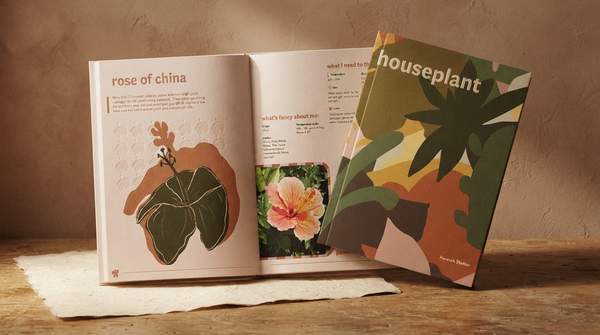
The foundation of a successful coffee table display is the thoughtful selection of the books themselves. According to styling advice from A Touch of Teal, a book’s cover and spine are key decorative components. Creating a loose color scheme—such as sticking to neutrals, blues, and greens—can make it easier to mix and match titles for a cohesive look. Alternatively, a book with a bold, vibrant cover can serve as a deliberate color accent within your room's existing palette. Some stylists also remove book jackets to better coordinate the display with a room's aesthetic, as noted by Tarah B. of Project 1826.
Beyond color, the most compelling displays reflect personal interests. Choosing books on subjects you genuinely enjoy, whether fashion, travel, art, or history, weaves your personality into your home’s story. This approach ensures the collection feels authentic and curated rather than generic. The oversized format typical of coffee table books makes them ideal for display, giving them a substantial presence that can anchor a vignette.
Arrangement Strategies: Quantity and Composition
Once you have selected your books, the next step is arranging them in a visually pleasing composition. A widely recommended guideline is to stack books in groups of two or three. Micheala Diane Designs suggests this quantity creates the perfect stack, as more than three can start to look like a disorganized pile. A single book can also make a powerful statement, particularly if it is an especially large or interesting volume topped with a single accessory.
The size and shape of your table should inform your arrangement. According to guidance from Kathy at Up to Date Interiors, a small rectangular table is often best suited for one or two stacks. Larger square or rectangular tables, however, can be visually divided into a grid of two to six stacks. For a balanced look in a grid arrangement, some of the stacks can be the same height. This method creates an organized yet dynamic surface.