The fastest way to transform how your home feels and functions is to stop thinking about lighting as a single overhead fixture. Instead, pair two principles: match each room's bulb color temperature to what you do there, and build the space from three layers of light — ambient, task, and accent. Design guidance from lighting manufacturers and interior design educators converges on the same core idea: warm light fosters relaxation, cooler light sharpens focus, and layered sources create depth and flexibility that one fixture can never deliver. Here is how to turn those principles into a concrete plan.
Understanding Light: Color Temperature and Its Impact
Color temperature describes how warm or cool a light source appears, measured on the Kelvin scale. It is not about brightness — it is about the character of the light itself. As lighting writers at Houzz put it, "Color temperature is how cool or warm the light appears," and in rooms like the bathroom, the goal is to control both output and color temperature throughout the day.
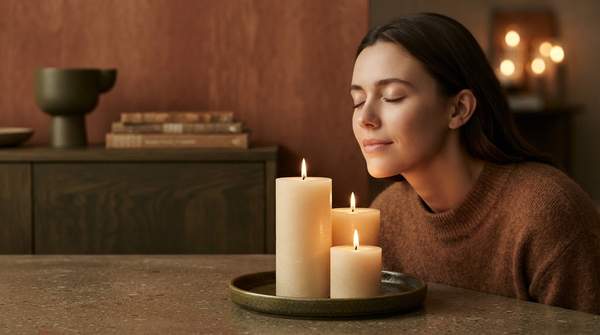
The mood effects are well established in design practice. Marymount University's design guidance states plainly that "color temperature lighting influences mood, with warm tones fostering relaxation and cooler tones boosting focus." That single sentence carries most of your decision-making burden: rooms where you unwind call for warm light, and rooms where you work, chop, or groom call for something cooler and clearer.
Timing matters as much as room type. In a bathroom, Houzz notes, cool white light in the morning helps wake you and make you alert, while warm light in the evening signals that night and sleep are approaching. The same room can legitimately need two different color temperatures across a single day — which is why flexibility, through dimmers or separate circuits, is a design feature rather than a luxury.
One practical caution from LED Light Expert: mixing multiple color temperatures in one room makes sources fight each other — a 2700K lamp under 4000K overheads looks jarring. Keep a single color temperature per space unless you are deliberately using tunable-white fixtures with a plan.
The Power of Layered Lighting: Ambient, Task, and Accent
Layered lighting is the strategic combination of three distinct types of light. Cooper Lighting Solutions, a lighting manufacturer, defines the method as using ambient, task, and accent lighting together to create "depth, flexibility, and visual interest," transforming flat, one-dimensional lighting into a dynamic atmosphere that adapts to different needs and moods.
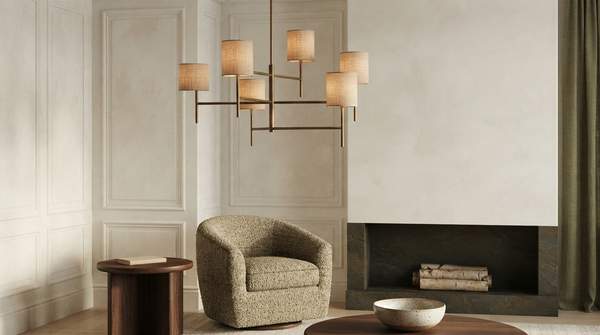
The three layers each do a specific job. Ambient lighting is the foundational illumination that makes a room usable, safe, and inviting — without it, a room feels shadowy even with strong task or accent light. Ceiling-mounted fixtures, recessed cans, or a well-placed chandelier all serve this role. Task lighting delivers focused light for specific activities such as reading or cooking, improving visibility for detailed work. Accent lighting highlights architectural features, artwork, or decorative elements, adding visual interest and depth by creating focal points.
Why bother with all three? Cooper's residential guide argues that most homes rely on ambient light alone — a central ceiling fixture or a grid of downlights — which can leave a space feeling cold, flat, or uninviting. Layering improves function, because different tasks need different light levels and placements; it enhances aesthetics by highlighting design elements; and it boosts efficiency, since multiple sources let you use only the light you need at a given moment.
Lumens' design editors extend the point: multiple sources at varying intensities create warmth, depth, and visual interest that a single fixture cannot replicate, and with dimmers and smart controls, a layered plan adapts to different times of day, occasions, and preferences. Once you understand the framework, they note, you can apply it to any room with confidence.
Your Home Lighting Decision Framework
Use this table to map each room's primary activities and desired mood to a color temperature and a three-layer strategy. The Kelvin recommendations below are drawn from the specific room guidance in the sources; where evidence supports only a warm-versus-cool direction, the table says so rather than inventing a number.
| Room / Activity | Desired Mood | Color Temperature | Layer Application |
|---|---|---|---|
| Kitchen — cooking, baking, homework, game nights, late snacks | Clear and functional, yet welcoming at the home's heart | 3500K–4000K; 3500K if the kitchen opens to warmer living spaces, 4000K with cool whites, grays, and stainless palettes | Ambient: recessed or ceiling fill. Task: under-cabinet strips at the same color temperature as the ceiling lights to prevent shadows on counters. Accent: pendants over an island |
| Bathroom — morning grooming, evening wind-down | Alert and bright in the morning; calm and relaxing at night | 3000K–4000K range, with dimmable LEDs for flexibility | Ambient: overall ceiling illumination. Task: bright, clear light at the mirror for grooming. Accent: soft accent lighting to soften the space in the evening |
| Dining area — meals and gatherings | Warm, intimate, sociable | Warm tones; one source suggests 2700K in a chandelier with 3000K recessed fill, both dimmable | Ambient: dimmable recessed fill. Task: low-level light for the table. Accent: chandelier as a focal point |
| Living room and bedroom — relaxing, reading, watching TV | Restful and inviting | Warm tones, per the principle that warm light fosters relaxation | Ambient: foundational ceiling or fixture light. Task: a reading lamp. Accent: lighting that highlights artwork or architectural features |
| Work and study zones — homework, desk work | Focused and alert | Cooler tones, per the principle that cool light boosts focus | Ambient: room fill. Task: a directed desk light. Accent: minimal, to avoid distraction |
Two rules make the framework work in practice. First, keep one color temperature per space unless you are using tunable-white bulbs deliberately — mismatched sources fight each other visually. Second, test bulbs against your actual materials: warm light enriches taupe and cream, while cool light makes blue and gray feel fresher, so check candidates against paint swatches and wood samples before committing.
Creating Your Ideal Home Atmosphere
Homeowners can confidently create a personalized lighting plan by integrating specific color temperatures with a three-layer lighting strategy — ambient, task, and accent — for each room's function and desired mood. Start with one room: identify its main activities, pick the color temperature the evidence links to those activities, then audit whether all three layers exist. Most rooms will reveal a missing task or accent layer immediately.
The measurable indicator of success is a noticeable improvement in room functionality, aesthetic appeal, and the ability to adapt lighting to various activities and moods — the kitchen that shifts from prep-ready brightness to a dimmed gathering glow, or the bathroom that wakes you up and then winds you down. Dimmers and separate circuits are what make that adaptability real, so treat them as the finishing move of every plan rather than an afterthought.
Sources
- Lighting Design: Techniques to Transform Interior Spaces — Marymount University
- The Residential Contractor’s Guide to Layering Light — Cooper Lighting Solutions
- A Beginner’s Guide to Lighting in Layers — Houzz
- How to Choose the Right LED Color Temperature for Different Spaces - LED Light Expert
- Layering Lighting - How To Layer Your Home's Lighting — The Edit | Lumens.com - Ideas + Advice, Guides, Looks, News and more
- Light Color & Temperature Guide - Best Home Lighting — TCP Lighting