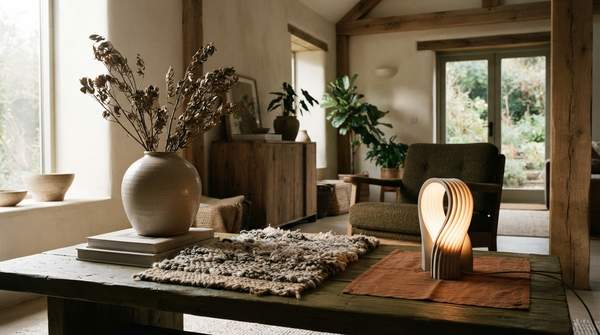
Slow design is a philosophy, not a style. It asks one question of every chair, table, and lamp you bring home: will this piece earn its place for years, or will you be replacing it by next season? At its core, slow design promotes mindful creation, where functionality and beauty combine with respect for the environment and the people who make and use the objects. Applied to furniture and decor, it becomes a practical filter for choosing pieces built on craftsmanship, durability, and timeless aesthetics—so your home becomes intentional, sustainable, and personal rather than a rotating display of trends.
Understanding Slow Design: A Philosophy for Intentional Living
The movement borrows its spirit from slow food: a deliberate rejection of the rushed, disposable, and mass-produced. As designer Andrea Claire explains, slow design values taking time to design, reflect, and create something truly meaningful, carefully considering every aspect of the process rather than rushing it. That patience extends to the buyer. Instead of filling a room quickly, you assemble it deliberately, letting each piece serve a clear purpose. The reward is a home that reflects you—one where quality-crafted details and raw materials like wood and stone turn a residence into what interior designer Sarah Barnard describes as a collection of stories.
The Six Core Principles of Slow Design in Furniture and Decor
Across design publications and studios, the principles of slow design converge on a consistent set of values. TAU Cerámica summarizes them as individual, social, and environmental well-being; the use of local and recycled materials; timeless and durable design that avoids planned obsolescence; and sociocultural benefits that rescue traditional techniques. Apartment Therapy adds adaptability and the people behind the process. Together, they form a coherent framework you can hold any purchase against.
The Principles at a Glance
| Principle | What It Means for Furniture and Decor |
|---|---|
| Mindful consumption & intentionality | Take time to reflect before buying; every aspect of a piece should serve a clear purpose. |
| Sustainable materials & environmental well-being | Choose local, recycled, and sustainably harvested materials that are safe for people and planet. |
| Craftsmanship & tactility | Favor traditional techniques, handmade details, and natural materials that tell a story. |
| Timeless aesthetics & durability | Prioritize pieces that transcend generations and trends, avoiding planned obsolescence. |
| Adaptability & functionality | Value modular, multi-use items that can be modified to meet future needs rather than discarded. |
| Ethical & local production | Consider the people and process behind the piece, including fair trade and local identity. |
Principle 1: Mindful Consumption and Intentionality
Slow design begins before the purchase. Claire frames patience as the movement's first principle: time to design, reflect, and create something meaningful, considering every aspect rather than rushing. For a shopper, that translates into a pause between wanting and buying. Ask what role the piece plays in the room and in your daily life. Studio G Home echoes this in its circular-design thinking, where carefully considered strategies make a space feel intentional and cohesive. The discipline is simple but demanding: no impulse buys, no filler. A piece that cannot articulate its purpose in your home is not yet ready to enter it.
Principle 2: Sustainable Materials and Environmental Well-being
The second principle concerns what things are made of. Slow design emphasizes environmentally friendly materials with minimal planetary impact, and TAU Cerámica highlights local and recycled materials with artisanal, sustainable production. For wood furniture, Apartment Therapy recommends looking for Forest Stewardship Council certification, which signals sustainably harvested timber, and Cradle-to-Cradle certification, awarded to products made in eco-friendly ways that can be recycled after use. Studio G Home's coverage of Shibui interiors points to the same family of choices: FSC-certified woods, low-VOC finishes, natural fibers, and recycled metals—material selections that reduce ecological impact while preserving tactile authenticity.
Principle 3: Craftsmanship and Tactility
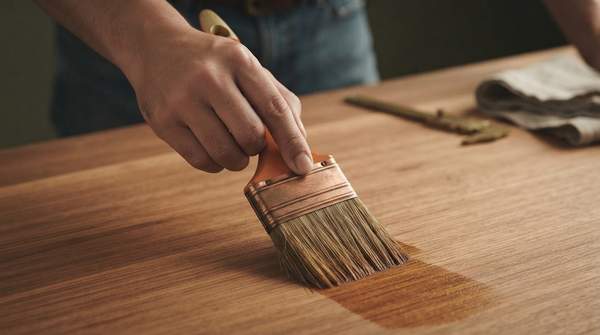
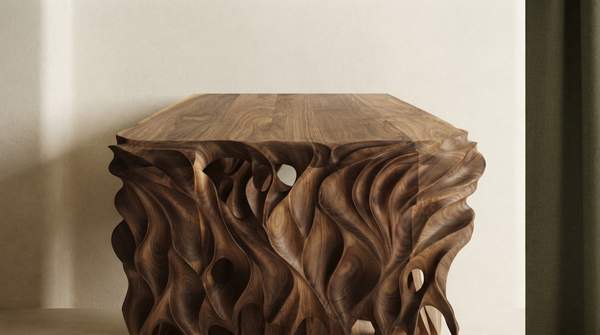
Slow design celebrates how things are made. Claire identifies craftsmanship and tactility as central: traditional techniques and natural materials, with designers consciously connecting to dedicated artisans who prioritize sustainability. Barnard's design philosophy roots this in traditions that value personal, handmade, quality-crafted details—artisan furniture and architectural elements that showcase raw materials like wood and stone. The appeal is not perfection. A handmade piece carries the narrative of its making, and that story is part of its value. When you run your hand along a hand-finished surface, you are touching the evidence of a person's skill.
Principle 4: Timeless Aesthetics and Durability
The fourth principle resists the trend cycle. TAU Cerámica defines it as timeless and durable design: pieces that transcend generations and avoid planned obsolescence. Studio G Home's Shibui coverage makes the waste argument explicit—by rejecting trend-driven ornament and focusing on enduring materials and forms, interiors avoid frequent renovations and product turnover, conserving resources and honoring design investments. Apartment Therapy puts it more bluntly: choose pieces you'll want to keep for many years, not those you'll want to replace in six months. Durability here is both physical and aesthetic. A well-made piece that still looks current in a decade is the standard.
Principle 5: Adaptability and Functionality
Finally, slow design plans for change. Apartment Therapy identifies adaptability as a main principle of the movement, which values modifying to meet future needs rather than throwing away to buy new. Its practical expression: items that work in multiple ways and in various places—modular shelving that grows with your storage needs, or pieces that move comfortably between rooms. Studio G Home's circular-design perspective reinforces this with furniture built on modular joinery, standardized components, and recyclable finishes, minimizing waste and ensuring lasting utility. A piece that can evolve with you is a piece you will not need to replace.
Slow Design Furniture Evaluation Checklist
Use this checklist before your next purchase. Walk each question for the piece in hand; the answers reveal whether it aligns with a sustainable, intentional home or belongs to the disposable culture slow design rejects.
| Check | Question to Ask | Principle Tested | What a Good Answer Looks Like |
|---|---|---|---|
| 1 | What is this made from, and can I verify it? | Sustainable materials | FSC-certified wood, Cradle-to-Cradle certification, recycled or natural materials, low-VOC finishes. |
| 2 | How was this made, and by whom? | Craftsmanship & ethics | Traditional or artisan techniques; fair trade or transparent production; handmade details with a story. |
| 3 | Will I still love this in ten years? | Timeless aesthetics | Enduring form and materials, not trend-driven ornament; a piece you'd keep, not replace. |
| 4 | Can it adapt to future needs and spaces? | Adaptability | Modular construction, multi-use function, repairable joinery, standardized components. |
| 5 | Does this piece serve a clear purpose in my home? | Mindful consumption | A defined role in the room and your daily life, chosen after reflection, not impulse. |
A piece that passes all five checks supports longevity, sustainability, and personal value. One that fails several is a candidate for the disposable culture the movement works against.
Making Intentional Choices for a Lasting Home
The decision: apply slow design principles to make deliberate furniture and decor choices that prioritize longevity, sustainability, and personal value. The measurable indicator of success is a home environment that feels cohesive, personal, and reduces the need for frequent replacements. Start small—one chair, one lamp, evaluated honestly against the checklist—and let the standard compound. Each kept piece is a trend cycle declined, a resource conserved, and a story added to the collection your home is becoming.
Sources
- Slow Design: Principles & Elements — Andrea Claire Studio
- Join the Movement: How “Slow Design” Can Give You the Home You Really Want — Apartment Therapy
- holistic interior designer — Blog — SARAHBARNARDDESIGN
- Slow Design: The new essence of interior design – TAU cerámica — Tauceramica
- Journal — Studio G Home