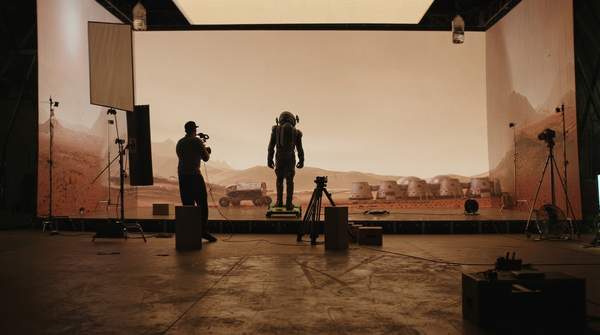
In the world of film and television, the visual narrative is as crucial as the script itself. This intricate craft, known as production design, silently shapes a film’s mood, themes, and character development, driving the visual story that audiences experience. It is the art of creating a cohesive and compelling world, from the grandest sets to the smallest hand-held props, ensuring every detail contributes to the overall aesthetic and aligns with the director's vision. By learning to see the intentional choices behind a film's look and feel, viewers can move from passive watching to active analysis, gaining a deeper appreciation for the art of visual storytelling.
What is Production Design?
At its core, production design is the conceptualization and creation of a film's entire visual environment. According to the British Film Designers Guild, the Production Designer (PD) is a key creative figure who collaborates closely with directors and producers to bring their vision to life, shaping the film's visual narrative. They are, as the Guild puts it, the "architect of the visual universe in which the story unfolds." This responsibility goes far beyond simply decorating a room; it involves creating a structured, meaning-making system where every visual element serves the story.
This craft encompasses a wide range of elements, including set locations, decorations, graphics, props, and costumes. In an introduction to the topic, Jakob Ion Wille and Eva Novrup Redvall note that a film without design would have no images, as every work of visual fiction relies on the arrangement of "design artifacts" like furniture and costumes within real or simulated spaces. The Production Designer’s primary task is to ensure the overall "look" of a production is cohesive and compelling, leading the art, set decoration, construction, and props departments to achieve this unified vision.
It is a discipline with a more elaborate approach than other related fields. While art direction focuses on making visual elements match the director's vision, production design takes a broader role in orchestrating the set design, costumes, props, and the overall look and feel of a film. Scholar Jane Barnwell’s work establishes production design as foundational to the story rather than merely decorative. It is a system that fundamentally contributes to the construction of narrative worlds and character identity, actively shaping how actors move, behave, and express themselves on screen.